
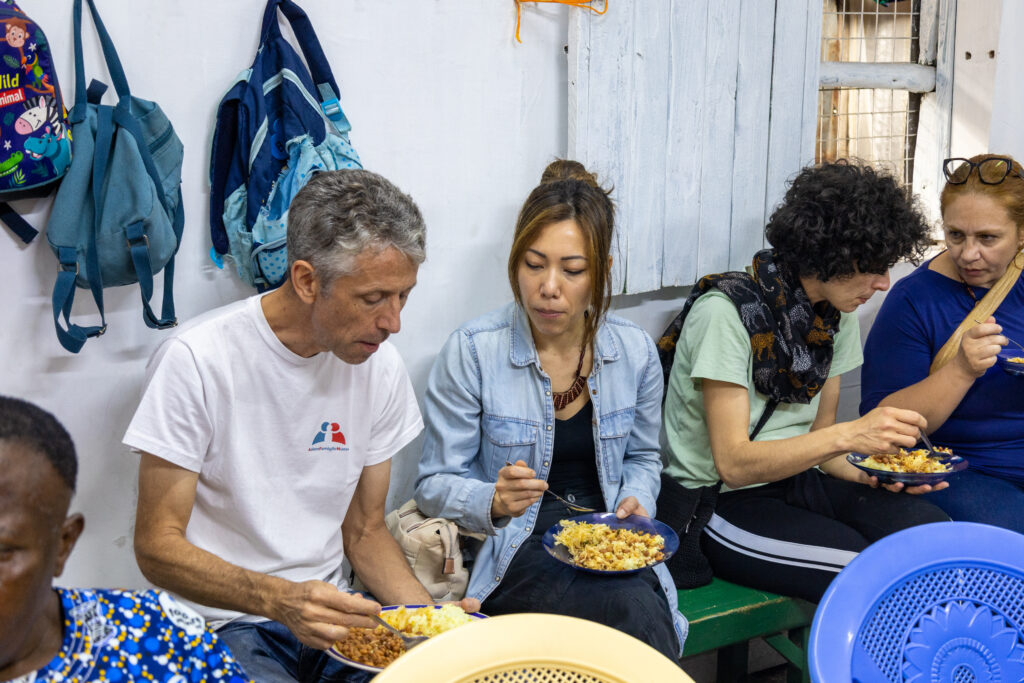
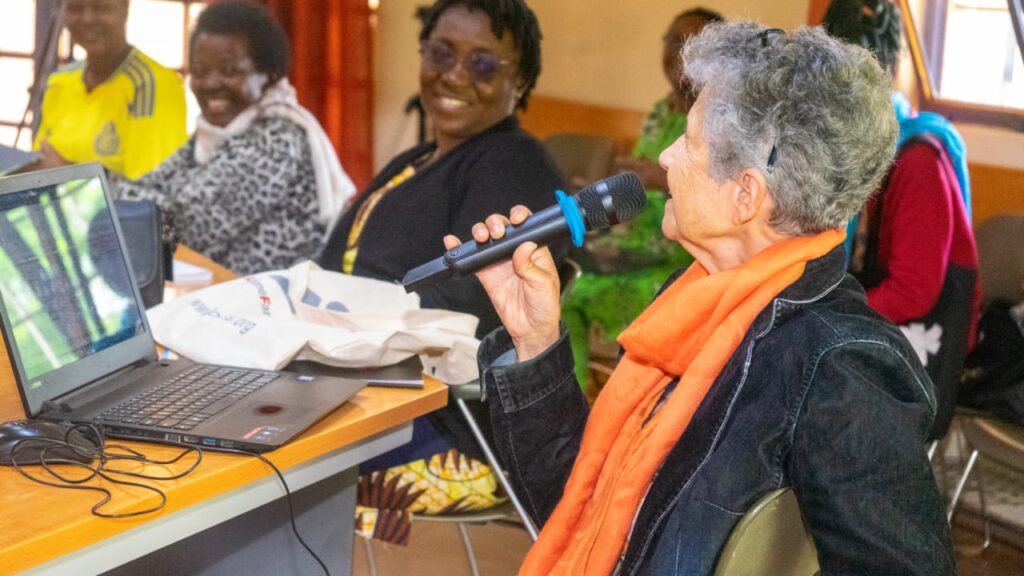
A valuable opportunity to strengthen ties, share experiences and build common strategies was the training workshop sponsored by AFN, held May 4-7 in Nairobi at the Mariapolis “Piero.” After the meeting, which brought together the contact persons of 11 projects active in 10 African countries, we asked some of them to tell us more: their impressions, lived experiences and the concrete impact of the projects, which were created to respond to diverse and urgent community challenges.
Castro, contact person for the “Pequena Chama” project in Mussulo, Angola, recalled the origins and evolution of an effort that began in 2002 to combat child malnutrition and has since expanded into education: “In about 20 years we have seen a profound change: the number of malnourished children has decreased dramatically and many of them now attend university. Mussulo is an island frequented by tourists, but the children who live there often live in extreme poverty.
From this workshop I take away the experience of community work: we can find new tools to ensure the sustainability of projects and involve others. The needs will not end, but we can continue to provide concrete answers.”
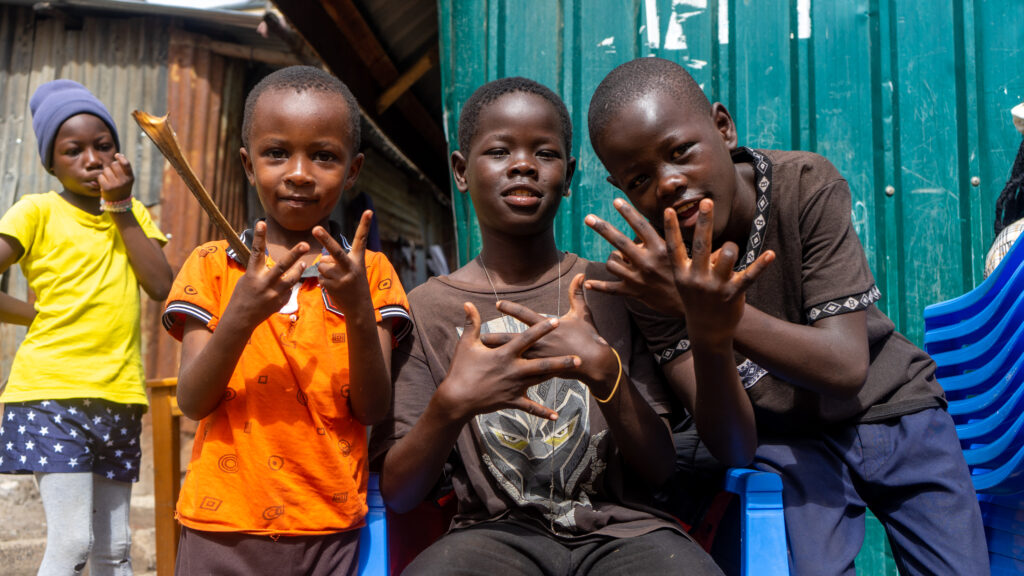
Queen of the Rainbow Project in Uganda: “From this workshop I take with me, first of all, a lot of enthusiasm. In these days we received concrete tools, both to respond to current challenges and to evaluate the impact of our interventions. I take home a clear commitment: to do projects with the people and for the people. We must always ask ourselves: does what we are doing really meet the real needs of the community? This is a great responsibility. We also reflected on the issue of sustainability: it is important to broaden our gaze, to explore all the possibilities to make our projects more solid, lasting, participatory.” Regina also tells us about the project’s beginnings in 1999, taking in street children who lived in the neighborhood. “Thanks to this path, they had the opportunity to grow like everyone else. Later we expanded the activities by also involving their brothers, sisters and we saw the families transform, reunite, strengthen.” The impact of the project therefore was positive and strong: “Many children who studied with us, once they moved on to other schools, distinguished themselves, and received roles of responsibility being able to pass on the values they experienced here to others and in society. Many have completed their studies and are educators, nurses, accountants and often feel the desire to give back what they have received, so they return to offer their support made up of ideas and presence. The project is also a place of belonging, where they do not feel judged, but valued.”
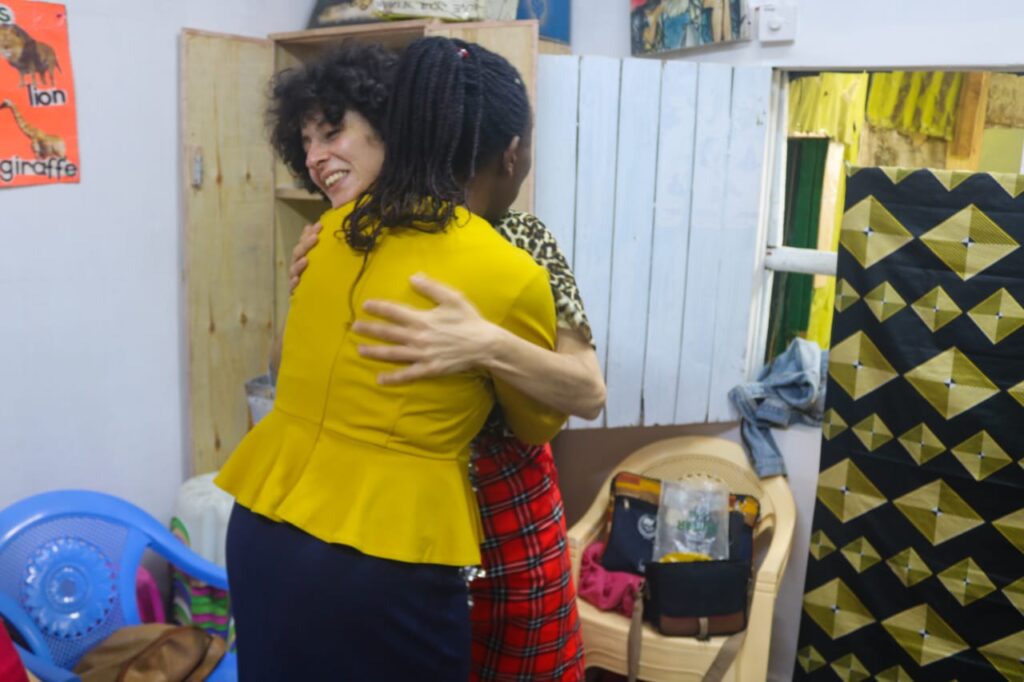
South Africa still bears deep wounds from the Apartheid period, explains Magnolia, on the other hand, who represents “The Bridge” project, which was born out of a community request because during the regime certain ethnic groups were excluded from access to the study of core subjects such as math, English and science. “It was a way to marginalize them, depriving them of opportunities and entry into the world of work. – He recounts – Today, we follow about ninety children who are achieving excellent academic results, but above all, a dialogue has been created between different groups, a way of relating that grows spontaneously. The way of communicating and collaborating that was born within our community is also spreading to society. And this is what we were born for: to help mend the social fabric, offering a concrete example of universal fraternity. Our project is called The Bridge – The Bridge, and everythingrelated to relationship and communication is part of our DNA. This conference, for me, was really like crossing a bridge: going from one side to the other, seeing the other from his perspective and, at the same time, from the point of view of the whole. It was, literally, an encounter. I leave with a sense of having had avery meaningful human and professional experience. We took important steps to better serve our community. And I feel the joy of being part of a larger network that helps us refine our service, working locally but with our eyes and hearts in one big family.”
Nova is contact person for the Saint Claire Complex Project in Bangui, Central African Republic, a war-scarred country with many displaced people. In order to foster the development of a sense of equality and reciprocity, for some years now there has been a shift from supporting individual children to a collective project-oriented approach, and children feel more part of the community, avoiding distinctions between those who receive and those who do not receive support. The shift has fostered greater harmony among the children, stimulated more collaboration and strengthened their commitment to peaceful relationships with each other. For me, too, this conference was very good and useful. It gave me new motivation to communicate to let people know about our project and get feedback to supporters.”
A project is also active in Nairobi, Kenya, where the Workshop was held, mainly in Mathare while another group of children is in Seme village near Kisumu. “These days,” Millicent the contact person for that project tells us, “in the depths of my heart, I felt something new being born. We resume our journey with renewed hope to support the integral development of children. They are not just ours: they belong to the community. For them to grow, families, schools, people must also grow. Only then can they develop stronger social, emotional, economic relationships and be fully embraced.”
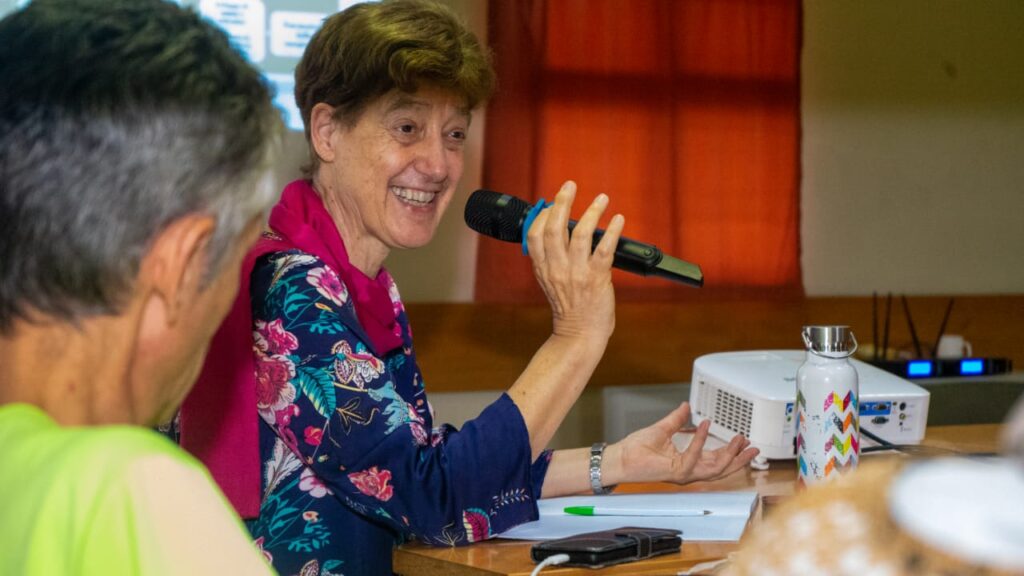
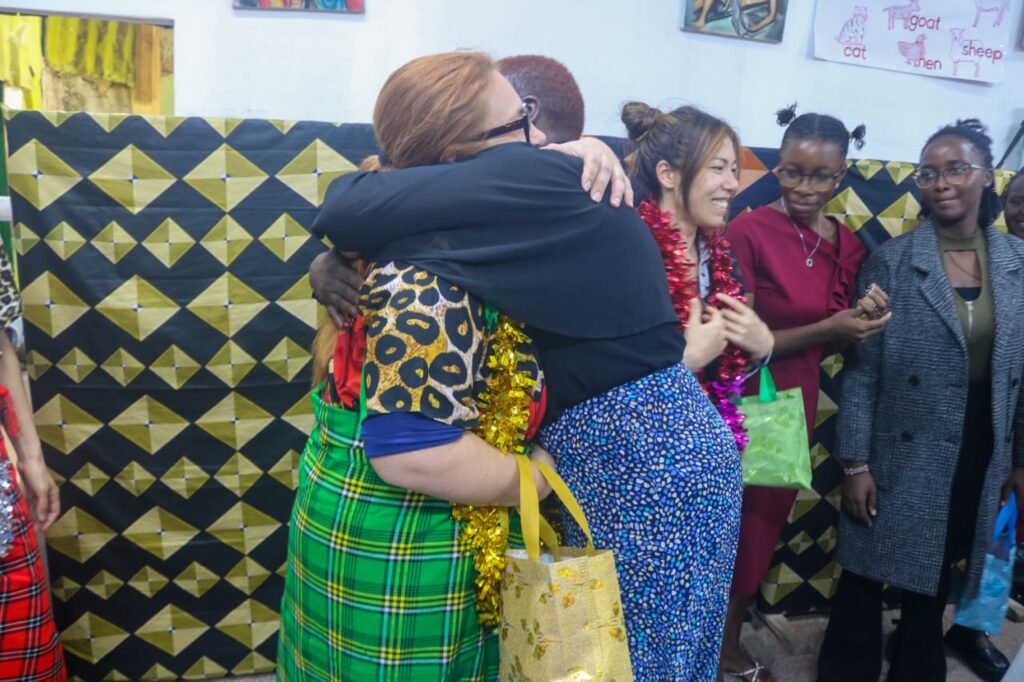
Paola Baratto, from AFN’s Board of Directors, who was present at the Workshop along with Barbara Pandolfi, SAD Area coordinator, and a number of staff members, also highlighted the importance of participating in the Social Works Workshop of the Focolare Movement., which preceded the AFN workshop involving more than 80 representatives of 34 works active in 17 countries on the African continent. The double appointment in fact fostered a synergy rich in ideas, perspectives and motivations. “Being part of this journey,” Paola said, “reflecting together on how to face challenges and grow as a network, was fundamental. The specific meeting between AFN projects was also a key moment: it allowed us to confront each other in person, beyond emails and online meetings, and recognize the specificity and richness of African projects: Africa has so much to offer the rest of the world!”